it’s a pricing mistake, a positioning failure, and a clear lesson on why “good enough” dies fast in Europe’s electric market
most popular takes…
- miss the real market signal
- focus on specs, not positioning
- assume EV growth = automatic success
- ignore pricing psychology
- forget dealer reality
the reality…
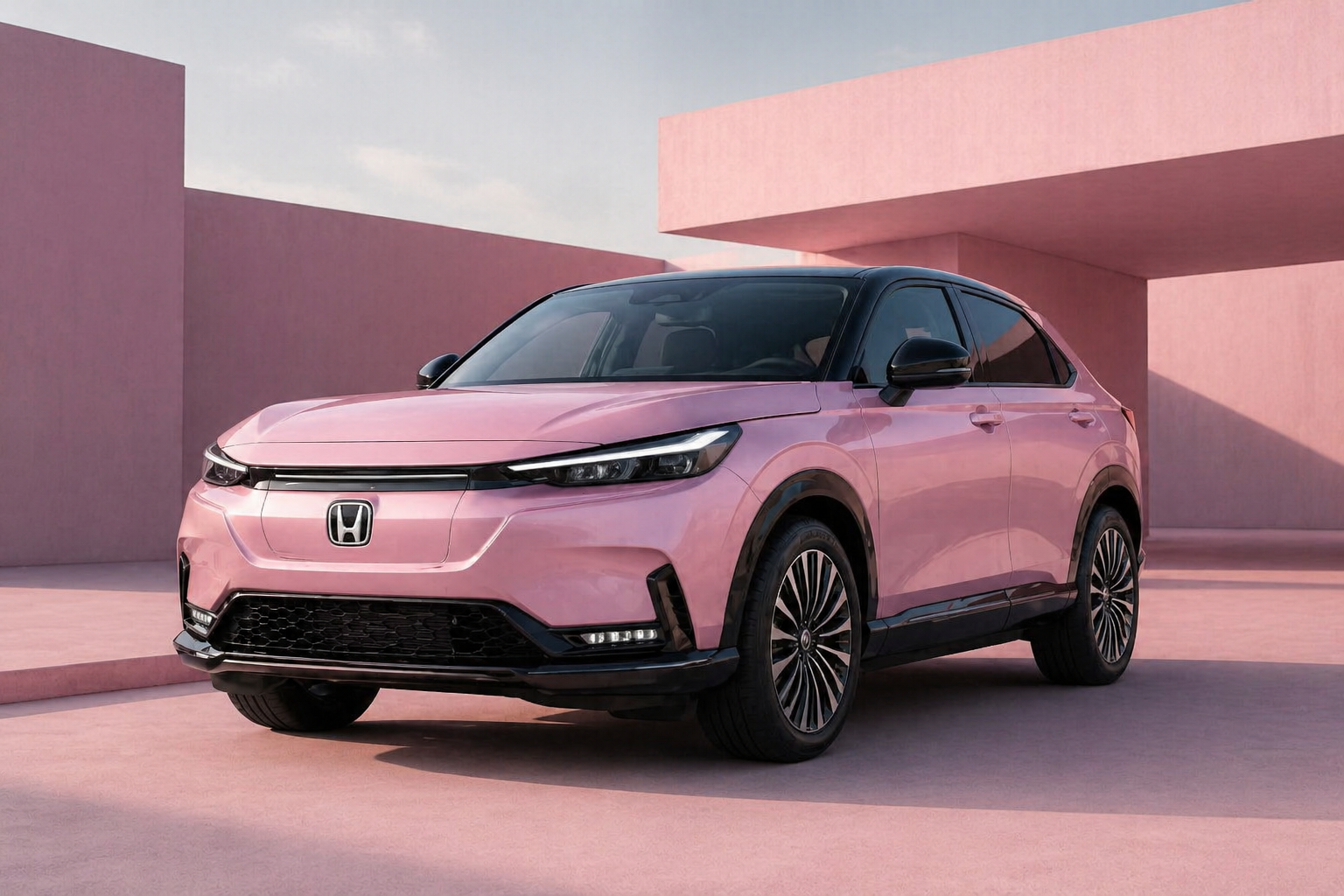
Honda is pulling its electric crossover e:Ny1 from Europe.
Not in 10 years.
Not after a slow decline.
After 2 years.
That is fast.
And it tells us something important about the EV market right now.
what happened…
The e:Ny1 launched in 2023.
On paper, it looked fine:
- 204 hp
- ~412 km range
- 0–100 km/h in 7.6 sec
- modern battery (68.8 kWh)
Nothing obviously wrong.
But the market didn’t care.
the core problem…
It was not about technology.
It was about fit.
why the model failed
• price too high
• brand too late in EV race
• weak differentiation
• strong competition
• unclear audience
the competition reality…
In Europe, EV buyers are not guessing.
They compare.
And they compare fast.
Main players:
- Tesla
- Volkswagen
- Renault
These brands already solved key problems:
• charging ecosystem
• brand trust in EVs
• pricing strategy
• model variety
Honda entered late.
That matters more than people think.
timing problem…
EV adoption in Europe is growing fast.
Example:
• +51% sales growth (March 2026)
Sounds like a perfect moment to sell.
It’s not.
Growth phases punish weak positioning.
Because:
- customers have more options
- expectations are higher
- comparison is brutal
what buyers really compare
Not specs.
They compare:
• price vs range
• brand vs trust
• ecosystem vs convenience
• resale vs risk
Honda lost in at least two of these.
pricing mistake…
This is the biggest one.
The e:Ny1 was not cheap.
But it was not premium either.
That is a dangerous middle.
price positioning gap…
Low price competitors:
- Dacia
- MG
Premium competitors:
- BMW
- Mercedes-Benz
Honda sat between them.
Without a strong reason.
what happens in the middle…
• buyers go cheaper
• or buyers upgrade
Middle products get ignored.
lesson…
“Good enough” is not enough in EV market.
brand perception problem…
Honda is strong.
But not in EVs.
contrast with Tesla…
Tesla is not just selling cars.
It sells:
• innovation
• future
• software updates
• charging network
Honda sells reliability.
That works for petrol cars.
Not always for EVs.
why perception matters…
EV buyers are early adopters or informed buyers.
They want:
• technology leadership
• long-term updates
• ecosystem
Honda did not communicate that strongly.
previous failure signal…
This was not the first attempt.
Before e:Ny1, there was:
- Honda e
It also failed.
Same pattern:
• interesting design
• high price
• limited range
• niche appeal
pattern insight…
Two failures not random.
It is a strategy issue.
dealer reality…
Important but often ignored.
Dealers influence sales.
what dealers faced…
• low demand
• high price objections
• strong competitor offers
So what did they do?
They stopped pushing the model.
why this matters…
If dealers don’t sell it…
It doesn’t sell.
inventory signal…
Now dealers in countries like:
- Germany
- Poland
- Spain
Are selling remaining 2025 stock.
No new 2026 supply.
That means:
Decision already final.
strategic withdrawal…
This is not a pause.
This is a reset.
what Honda is likely thinking…
• current EV strategy not competitive
• pricing needs revision
• platform needs upgrade
• timing needs correction
EU pressure factor…
Another layer:
Regulation.
European Union policies push:
• lower emissions
• EV adoption
• strict compliance
This increases:
• costs
• development pressure
For companies that are not ready, this becomes a problem.
why regulation hurts late players…
Early players already optimized.
Late players must:
• invest fast
• adapt quickly
• absorb higher costs
That reduces flexibility.
market truth…
EV market is not just growing.
It is maturing.
growth phase vs maturity…
Early phase:
• novelty wins
• fewer competitors
Mature phase:
• value wins
• efficiency wins
• brand trust wins
e:Ny1 entered closer to maturity.
Without strong advantages.
product positioning mistake…
The car tried to be:
• practical
• modern
• safe
But that is baseline now.
what was missing…
A clear answer to:
“Why this car over others?”
if the answer is unclear…
The buyer moves on.
range factor…
412 km is decent.
But:
• not class-leading
• not low-cost
So again – middle.
performance factor…
204 hp.
Fine.
But EV buyers don’t prioritize that alone.
real priorities…
• charging speed
• charging access
• price per km range
• software experience
software gap…
EV competition is now software-driven.
what leading brands offer…
• over-the-air updates
• smart navigation
• charging optimization
If a car feels “static,” it loses.
did e:Ny1 stand out here?
Not strongly.
design factor…
Design was clean.
But not iconic.
contrast…
Tesla → minimalist identity
Volkswagen → familiar evolution
Renault → emotional design
Honda → neutral
Neutral = forgettable.
why design matters more in EVs…
Because technology is less visible.
Design becomes identity.
marketing gap…
Another issue:
Visibility.
strong EV marketing includes…
• clear messaging
• strong differentiation
• emotional story
Honda’s messaging felt generic.
example difference…
Tesla message:
“Future of driving”
Volkswagen message:
“Electric for everyone”
Honda message:
Less clear.
clarity drives sales.
production strategy…
Limited scale also matters.
large competitors benefit from:
• economies of scale
• lower production cost
• stronger supply chain
Honda did not reach that level in EVs.
result…
Higher price pressure.
battery economics…
Battery is the most expensive part.
leaders optimize through:
• partnerships
• large production
• vertical integration
Late players pay more.
that impacts final price.
customer psychology…
Buyers think in trade-offs.
example:
“If I pay more, what do I get?”
If answer is weak → no sale.
resale value concern…
EV buyers think about future value.
strong brands offer confidence:
• Tesla
• Volkswagen
Honda EV resale? Uncertain.
uncertainty reduces demand.
charging ecosystem…
Critical factor.
Tesla advantage:
• Supercharger network
Others:
• partnerships
Honda:
Less visible ecosystem.
this creates friction.
friction kills conversions.
market saturation effect…
Even with growth, segments fill quickly.
compact electric crossovers:
Highly competitive category.
players include:
• Tesla Model Y
• VW ID.4
• Hyundai Kona Electric
• Kia Niro EV
Each has strong positioning.
e:Ny1 entered crowded space.
Without unique angle.
lesson…
Entering crowded category requires:
• lower price
or
• clear differentiation
Honda had neither.
consumer trust shift…
Traditional brands are losing automatic trust in EVs.
why…
Because EV = new category.
Past reputation doesn’t fully transfer.
Honda underestimated this.
internal strategy issue…
Likely challenges:
• slow decision cycles
• cautious investment
• legacy mindset
EV market rewards speed.
slow = late
late = irrelevant
timeline problem…
2 years is not enough to fix positioning.
but it is enough to detect failure.
Honda chose to exit early.
That is actually smart.
why early exit is better…
• reduces losses
• protects brand
• allows reset
many companies stay too long.
Honda didn’t.
what comes next…
Honda will not abandon EVs.
likely moves:
• new platform
• better pricing strategy
• partnerships
• stronger software focus
possible direction…
More collaboration.
industry trend:
Partnerships reduce risk.
examples in market:
• shared platforms
• joint battery projects
Honda may follow.
global vs regional strategy…
Another mistake:
Same product for different markets.
Europe is unique:
• high EV competition
• strong regulation
• price sensitivity
a global model may not fit.
local adaptation matters.
what Honda could improve…
• Europe-specific pricing
• tailored features
• better positioning
customer segmentation…
Who was e:Ny1 for?
unclear.
successful products target:
• specific buyer
• clear use case
example:
Family EV
City EV
Premium EV
e:Ny1 felt generic.
generic = weak demand.
data-driven insight…
Strong EV launches rely on:
• market data
• competitor analysis
• price sensitivity
missing one → risk increases.
missing several → failure likely.
communication failure…
Even a good product can fail if message is weak.
key rule:
If people don’t understand value in 5 seconds…
They don’t buy.
long-term impact on Honda…
Short-term:
• loss in Europe EV segment
Long-term:
• valuable learning
this failure is data.
and data is useful.
industry perspective…
This is not unique.
many brands struggle with EV transition.
common mistakes:
• late entry
• wrong pricing
• weak differentiation
Honda just shows it clearly.
important insight…
EV success is not linear.
it requires alignment:
• product
• price
• brand
• ecosystem
missing one weakens everything.
missing several breaks the model.
consumer expectations evolution…
2020:
• EV = innovation
2026:
• EV = standard
expectations increased.
products must meet higher bar.
e:Ny1 met old expectations.
Not new ones.
strategic takeaway…
Entering EV market is not enough.
winning requires:
• precision
• speed
• clarity
final lesson…
Growth market does not guarantee success.
only strong positioning does.
quick recap…
why e:Ny1 failed:
• wrong price position
• late market entry
• weak differentiation
• unclear audience
• strong competition
what it teaches:
• EV market is unforgiving
• middle positioning fails
• brand alone is not enough
• timing matters
what to watch next…
Honda next EV move in Europe.
That will show:
Did they learn fast enough?
because in this market…
second attempt matters more than first.