For years, video game movies struggled with the same problem. Studios either took themselves too seriously or completely ignored what made the original games exciting. Action became generic, characters lost their personality, and the worlds felt artificial instead of entertaining.
Mortal Kombat 2 avoids many of those mistakes.
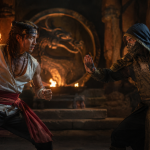
The new film, released by Warner Bros., does not try to become a philosophical masterpiece or a dark prestige drama. Instead, it embraces what audiences actually expect from a Mortal Kombat adaptation: brutal fights, charismatic warriors, exaggerated villains, absurd energy, and nonstop entertainment.
Most importantly, the sequel finally understands something the 2021 reboot often forgot — this franchise works best when it balances violence with fun.
The result is not a perfect movie, but it is a far more enjoyable experience than its predecessor.
Why the First Mortal Kombat Reboot Disappointed Many Fans
When Mortal Kombat returned to cinemas in 2021, expectations were surprisingly high.
The trailer generated excitement because it promised:
- intense martial arts combat;
- iconic characters;
- graphic fatalities;
- faithful visual design;
- darker world-building.
For longtime gamers, it looked like the adaptation the franchise had needed for decades.
However, once the movie arrived, many viewers felt underwhelmed.
Too Much Setup, Not Enough Tournament
One of the biggest criticisms involved the story structure.
The film spent too much time introducing lore, explaining powers, and preparing for future events instead of delivering the actual tournament audiences expected.
Characters constantly discussed destiny, ancient prophecies, and hidden abilities, but the pacing became slow and repetitive.
Instead of feeling explosive, the movie often felt like a two-hour trailer for a sequel.
Weak Emotional Connection
Another issue was the emotional core.
The film introduced a new protagonist, Cole Young, but many fans struggled to connect with him. Compared to classic characters like Scorpion, Sub-Zero, Liu Kang, or Johnny Cage, he lacked charisma and narrative impact.
The franchise already contained decades of beloved fighters with recognizable personalities. Creating a new central hero felt unnecessary to many viewers.
Action Scenes Were Inconsistent
Although several fights looked visually impressive, the overall choreography lacked rhythm.
Some battles ended too quickly. Others relied heavily on visual effects instead of martial arts precision.
Because Mortal Kombat originated as a fighting game, combat scenes should feel like the heart of the experience rather than occasional spectacle.
The sequel clearly learned from these mistakes.
Mortal Kombat 2 Chooses Entertainment Over Pretension
One of the smartest decisions in Mortal Kombat 2 is its tone.
The film stops trying to appear overly serious and instead embraces the ridiculous nature of its universe.
That choice works surprisingly well.
This world contains:
- ice ninjas;
- four-armed monsters;
- interdimensional emperors;
- undead assassins;
- supernatural tournaments deciding the fate of humanity.
Trying to present all of this with complete realism would only make the movie feel awkward.
Instead, the sequel accepts its own absurdity.
The result is faster pacing, more confident humor, and a much more entertaining atmosphere.
Johnny Cage Becomes the Missing Piece
Perhaps the biggest improvement is the addition of Johnny Cage as a central character.
For many fans, Cage has always been one of the franchise’s most important personalities.
He combines martial arts skill with arrogance, sarcasm, insecurity, and comedic timing.
Why Johnny Cage Works So Well
Unlike stoic warriors such as Liu Kang or emotionally tortured figures like Scorpion, Johnny Cage brings energy into every scene.
He understands how ridiculous the world around him is and reacts accordingly.
That self-awareness helps the audience relax and enjoy the experience.
Instead of endless exposition, Cage cuts through tension with humor and personality.
This creates better pacing and makes interactions between characters feel more natural.
The Franchise Needed More Character Chemistry
The first reboot often treated characters like mythology instead of people.
In Mortal Kombat 2, fighters actually interact in entertaining ways.
Conflicts feel sharper. Dialogue moves faster. Rivalries become more memorable.
The movie finally feels closer to the chaotic energy that made the games popular.
Shao Kahn Brings Real Threat Back Into the Story
A Mortal Kombat film only works if the villain feels dangerous.
Fortunately, Shao Kahn delivers that presence.
The emperor of Outworld enters the story with physical dominance, confidence, and brutality. Unlike some modern blockbuster villains who rely entirely on CGI destruction, Shao Kahn feels personally threatening.
Why Physical Villains Still Matter
Modern action movies sometimes focus too heavily on visual spectacle while forgetting emotional tension.
Audiences care more when villains feel capable of directly defeating heroes rather than simply destroying cities digitally.
Shao Kahn represents power in its most direct form:
- conquest;
- intimidation;
- violence;
- domination.
His presence immediately raises the stakes.
The Fight Scenes Are Finally the Main Attraction
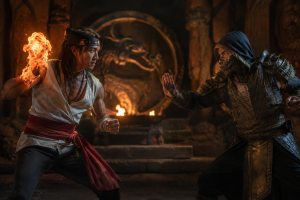
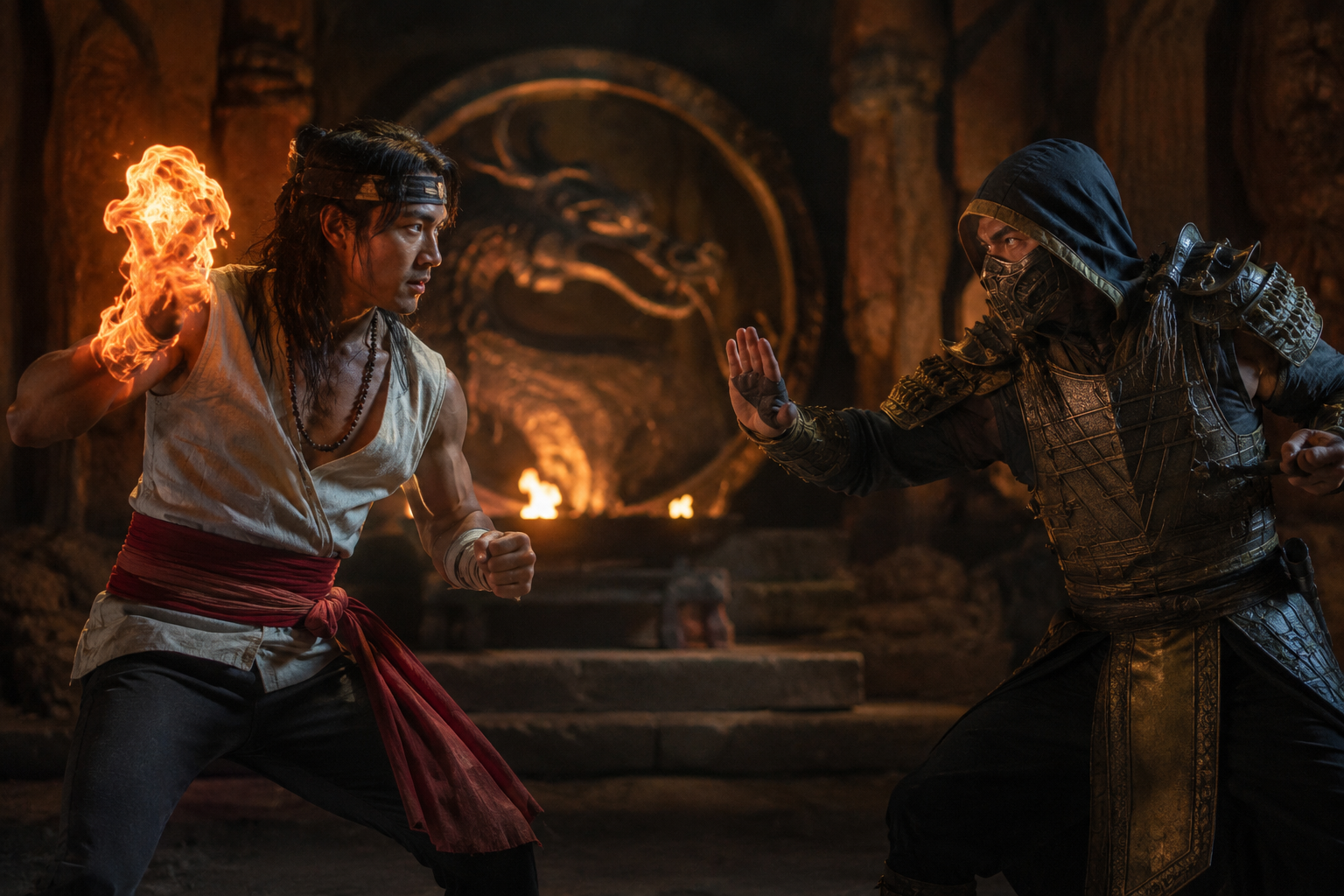
The most important improvement in Mortal Kombat 2 is simple: the fights are better.
That may sound obvious, but many game adaptations fail at exactly this point.
Choreography Feels Cleaner
This time, combat sequences feel easier to follow visually.
The camera no longer cuts excessively during every punch or kick. Movements have clearer rhythm and physical logic.
Viewers can actually understand how fighters move through space.
This matters because martial arts cinema depends heavily on visual clarity.
Each Fighter Feels Different
Another strength is the variety between combat styles.
Different characters fight with distinct rhythms and personalities.
Some rely on speed. Others focus on raw strength. Certain fighters combine supernatural powers with traditional martial arts.
This diversity prevents battles from becoming repetitive.
Fatalities Return With More Confidence
The franchise’s famous fatalities also appear with greater confidence.
Importantly, the film understands that these moments should feel shocking but also entertaining in a darkly comic way.
Mortal Kombat has always balanced horror and absurdity.
The sequel captures that tone far more effectively than the previous movie.
The Movie Understands Video Game Logic
One reason many video game adaptations fail is because filmmakers try too hard to “fix” the source material.
They remove exaggerated elements in pursuit of realism.
Mortal Kombat 2 avoids that trap.
The movie accepts video game logic:
- fighters survive impossible injuries;
- dimensions collide;
- magic exists;
- rivalries become theatrical;
- emotions operate at maximum intensity.
Instead of apologizing for these elements, the film celebrates them.
That confidence gives the movie stronger identity.
Themes Hidden Beneath the Violence
Although Mortal Kombat 2 is primarily a fun action movie, it still touches on several meaningful themes.
Fear of Mortality
The concept of death remains central throughout the story.
Characters constantly confront mortality:
- literal death in combat;
- fear of failure;
- losing loved ones;
- fear of irrelevance.
Even within exaggerated fantasy storytelling, these emotional fears feel relatable.
Harmony Versus Chaos
The tournament structure also reflects a larger philosophical conflict.
Earthrealm represents balance and coexistence, while Outworld symbolizes domination through force.
The movie does not explore these ideas deeply, but they provide enough thematic structure to support the action.
Identity and Self-Worth
Johnny Cage’s character arc especially focuses on insecurity beneath public confidence.
That emotional layer helps ground the film.
Without some emotional vulnerability, nonstop action eventually becomes empty.
Visual Style Improves Significantly
The sequel also looks more visually confident.
Better Color Design
The first reboot sometimes appeared visually flat and overly gray.
Mortal Kombat 2 introduces stronger colors and more stylized environments.
This change matters because the games themselves always embraced exaggerated visual identity.
Fantasy worlds should feel visually memorable.
Arena Design Feels Closer to the Games
Fight locations now resemble actual Mortal Kombat arenas instead of generic industrial spaces.
This creates stronger fan recognition while improving atmosphere.
The environments become part of the entertainment rather than simple backgrounds.
Why Video Game Movies Are Finally Improving
The success of recent adaptations suggests Hollywood is slowly learning how to approach gaming franchises.
For years, studios misunderstood why audiences loved these properties.
Today, filmmakers increasingly recognize that fans do not necessarily want realism. They want authenticity to the emotional experience of the games.
Projects like:
- The Last of Us;
- Fallout;
- Sonic the Hedgehog;
- Super Mario Bros.;
- Arcane;
show that respecting source material often produces stronger results.
Mortal Kombat 2 benefits from this industry shift.
The Film Still Has Weaknesses
Despite its improvements, the movie is not flawless.
Some Characters Remain Underdeveloped
Because the franchise contains such a massive roster, certain fighters still receive limited screen time.
Some characters exist mainly to participate in battles rather than develop emotionally.
This issue is difficult to avoid in ensemble action films.
Dialogue Can Be Uneven
Although the humor generally works better than before, certain lines still feel awkward or overly simplistic.
However, the movie’s self-aware tone helps soften these weaker moments.
Story Logic Is Sometimes Messy
The plot occasionally moves too quickly between locations and conflicts.
But unlike the first reboot, the sequel does not become trapped in endless exposition.
It prioritizes momentum over perfect narrative precision.
For this franchise, that is probably the correct choice.
Fans Will Appreciate the Respect for the Games
Longtime Mortal Kombat fans will likely enjoy the sequel more than casual viewers.
The movie includes:
- recognizable moves;
- visual references;
- classic rivalries;
- familiar catchphrases;
- iconic character dynamics.
Importantly, these references rarely feel forced.
The film integrates fan service naturally into the action instead of stopping the story for nostalgic moments.
The Future of the Franchise Looks Stronger
One major difference after watching Mortal Kombat 2 is that future sequels now feel exciting instead of uncertain.
The franchise finally appears to understand its own identity.
That identity includes:
- martial arts spectacle;
- supernatural mythology;
- violent absurdity;
- dark humor;
- emotionally simple but effective storytelling.
Not every blockbuster needs to become emotionally devastating prestige cinema.
Some movies succeed because they deliver entertainment confidently and honestly.
Mortal Kombat 2 understands this.
Why Audiences Still Love Tournament Stories
Tournament narratives remain popular because they create immediate stakes and structure.
Every fight matters. Every victory changes the balance of power.
This format naturally creates tension while allowing multiple characters to shine.
From martial arts films to anime and sports dramas, tournament storytelling continues working because audiences instinctively understand its rhythm.
Mortal Kombat has always relied on that structure, and the sequel finally uses it effectively.
The Movie Balances Nostalgia and Modern Expectations
Another strength is the balance between nostalgia and modernization.
The film respects classic franchise elements without feeling trapped by them.
Modern audiences expect:
- faster pacing;
- better choreography;
- stronger visual effects;
- emotional accessibility.
The sequel updates the formula while preserving the franchise’s chaotic spirit.
Final Thoughts
Mortal Kombat 2 succeeds because it finally stops fighting against its own identity.
Instead of trying to become an overly serious fantasy epic, the movie embraces what made the games famous:
- outrageous combat;
- unforgettable fighters;
- exaggerated mythology;
- violent spectacle;
- playful energy.
The result is a much more entertaining film than the 2021 reboot.
Johnny Cage adds charisma, the action scenes feel sharper, Shao Kahn brings real danger, and the movie’s faster pacing keeps the experience engaging from beginning to end.
Most importantly, the sequel remembers that audiences watch Mortal Kombat for excitement and fun.
Not every movie needs to reinvent cinema.
Sometimes delivering a confident, stylish, and unapologetically chaotic action experience is enough.
And for this franchise, that may be exactly the right approach.