Why the Kia Ceed Became One of Europe’s Most Trusted Compact Cars
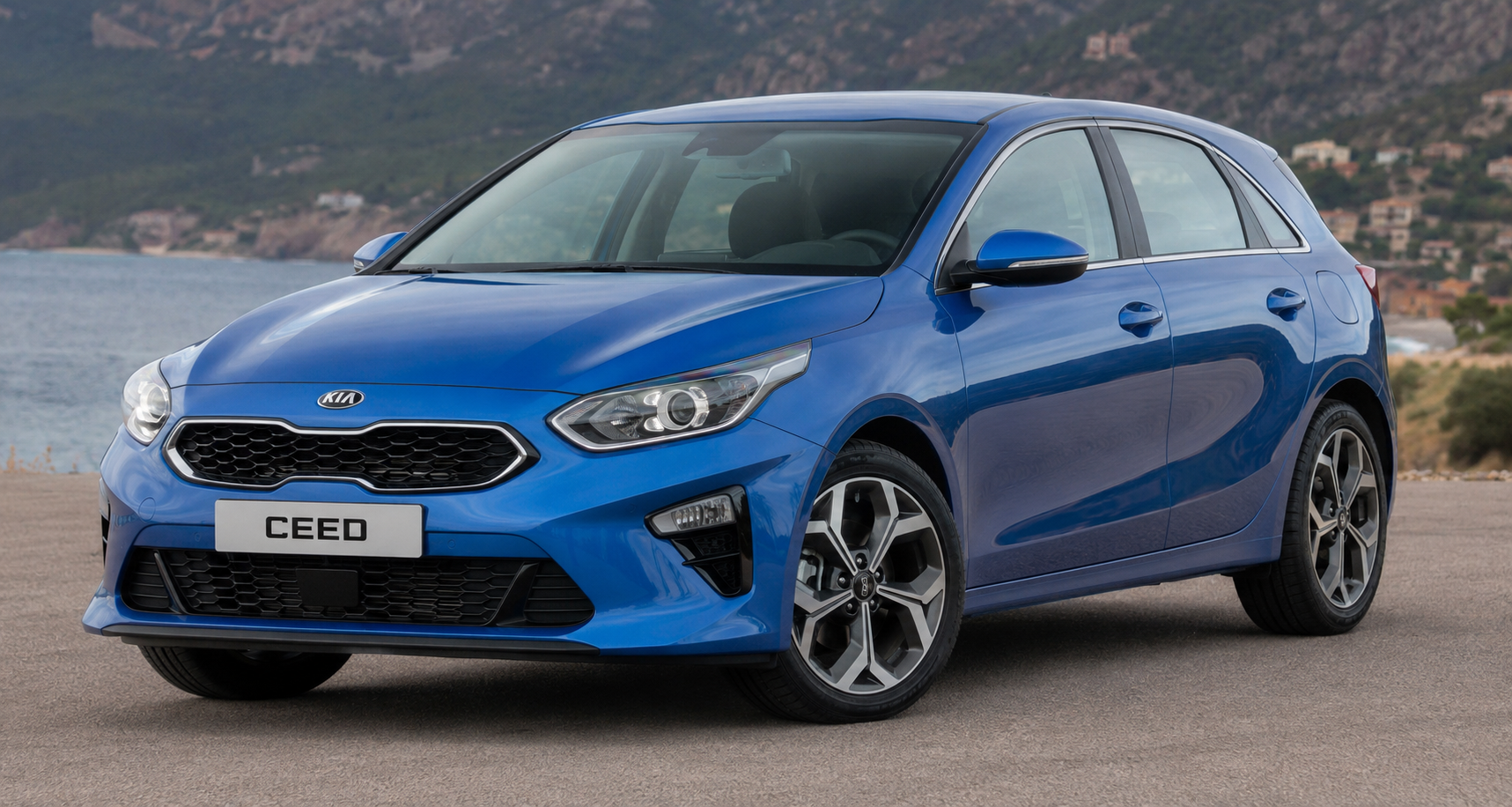
Buying a used car is rarely only about price. Most drivers want something more important: predictability. They want a vehicle that starts every morning, does not create surprise repair bills, and stays comfortable after years of use. This is exactly why the third-generation Kia Ceed became one of the most interesting choices in the compact car segment.
The Kia Ceed produced between 2018 and 2025 built a reputation as a balanced and rational vehicle. It is not the fastest hatchback on the market. It is not the most luxurious. It does not try to shock buyers with futuristic experiments. Instead, Kia focused on durability, practical engineering, low operating costs, and everyday usability.
That strategy worked.
Many used car buyers now see the Ceed as a safer choice than several European competitors that may offer more prestige but also bring expensive technical risks. Owners often praise the model for stable build quality, efficient engines, comfortable suspension tuning, and a cabin that ages better than expected.
Still, no car is perfect.
Some versions are smarter purchases than others. Certain engines are better for city driving while others are more suitable for long highway trips. Some gearbox combinations age better over high mileage. Buyers also need to understand which small issues appear most often after warranty coverage ends.
This guide explains the real strengths and weaknesses of the used Kia Ceed in detail. It covers reliability, engines, transmissions, maintenance costs, fuel economy, comfort, electronics, corrosion resistance, resale value, and ownership experience.
If you are considering a used Kia Ceed, this article will help you understand whether the car truly deserves its reputation.
What Makes the Third-Generation Kia Ceed Different
The third-generation Kia Ceed arrived with a much more mature identity than previous models. Earlier versions already offered strong value for money, but the newest generation moved closer to established European rivals in refinement and driving quality.
Kia designed the car specifically for European roads and drivers. That decision influenced almost every part of the vehicle.
The suspension became more stable at higher speeds.
The steering gained better precision.
The interior quality improved noticeably.
Noise insulation became more competitive.
The overall driving experience started feeling less budget-oriented.
The result is a compact hatchback that feels practical without feeling cheap.
One major advantage of the Ceed is balance. Many competitors focus heavily on one area while sacrificing another.
Some cars are comfortable but unreliable.
Some are sporty but expensive to maintain.
Some are efficient but unpleasant on long trips.
The Kia Ceed avoids most of these extremes.
That balance explains why the model performs well both as a family vehicle and as a daily commuter car.
Exterior Quality and Corrosion Resistance
One of the strongest aspects of the modern Kia Ceed is body durability.
Rust remains one of the biggest fears for used car buyers, especially in regions with cold winters, road salt, humidity, and poor road conditions. Many compact cars start showing corrosion around wheel arches, doors, trunk edges, or underbody components after several years.
The Kia Ceed performs better than many competitors in this area.
Why the Body Ages Well
Kia improved corrosion protection significantly during the last decade. The Ceed benefits from:
- Better factory galvanization
- Improved paint quality
- Smarter drainage channels
- Fewer moisture traps
- Stronger underbody protection
These changes reduce the chance of early structural corrosion.
Even cars used daily in difficult weather conditions often maintain a clean exterior after years of ownership.
Buyers should still inspect:
- Lower door edges
- Rear wheel arches
- Suspension mounting points
- Tailgate seams
- Underbody protection panels
However, major corrosion problems remain relatively rare compared to older compact vehicles.
Paint Quality
The paint quality is generally solid, although darker colors can show scratches more easily. Highway driving may create stone chips on the front bumper and hood, but this is normal for the segment.
White, gray, and silver versions often hide wear better over time.
Some owners also applied additional anti-corrosion treatment after purchase. These cars may provide even better long-term durability.
Interior Quality: Does the Cabin Stay Solid Over Time?
Many compact cars look attractive when new but start feeling old after several years.
The Kia Ceed performs surprisingly well in this area.
Cabin Materials
The interior combines soft-touch materials in visible areas with harder plastics lower in the cabin. This is normal for the compact segment.
The important detail is not material softness.
The important detail is durability.
The dashboard usually remains stable without major cracking or fading.
Buttons continue functioning properly.
Climate controls stay responsive.
Steering wheel wear appears slowly.
Seat foam generally keeps its shape even after high mileage.
The cabin may not feel premium like a luxury German model, but it ages honestly.
Physical Buttons Still Matter
One of the Ceed’s most practical advantages is its control layout.
Many modern cars moved almost every function into touchscreens. That approach often looks modern but becomes frustrating during daily driving.
The Ceed kept physical controls for important functions.
Drivers can adjust:
- Climate settings
- Audio volume
- Seat heating
- Main driving functions
without searching through digital menus.
This improves usability and reduces distraction.
Noise and Rattles
Some owners report occasional interior noises after several years.
Common areas include:
- Door cards
- Center console trim
- Rear hatch area
Still, these issues are usually minor rather than structural.
Compared to many compact rivals, the Ceed remains relatively quiet even at higher mileage.
Driving Comfort and Everyday Practicality
A car can be reliable and still unpleasant to drive.
The Kia Ceed avoids that problem.
Suspension Setup
The suspension tuning focuses on balance.
It is firm enough to feel stable at highway speeds but soft enough to absorb poor urban roads.
This combination works especially well in real daily use.
Drivers often notice:
- Predictable cornering
- Stable braking behavior
- Comfortable long-distance driving
- Good body control
The multi-link rear suspension available in many versions improves ride quality further.
Steering Feel
The steering is light at low speeds and stable on highways.
It may not provide sports-car feedback, but it gives enough confidence for everyday driving.
This matters because many modern compact cars either feel too artificial or too heavy.
Visibility and Parking
The Ceed is easy to drive in urban areas.
Visibility remains good in most directions.
Parking sensors and cameras available in higher trims make city driving easier.
The hatchback shape also improves maneuverability.
For families, shopping trips, and commuting, the car feels practical rather than stressful.
Petrol Engines: Which Ones Are Worth Buying?
Engine choice matters more than almost any other factor when buying a used Kia Ceed.
Fortunately, the model avoids catastrophic engine disasters that damaged the reputation of some competitors.
Still, certain versions are better suited for specific driving styles.
1.0 T-GDI: Small but Efficient
The 1.0-liter turbocharged petrol engine became popular because of low fuel consumption and acceptable city performance.
Main Advantages
- Efficient fuel economy
- Low taxes in some countries
- Smooth urban driving
- Modern turbocharged response
Potential Weaknesses
The engine performs best in city and suburban environments.
Drivers who frequently travel fully loaded on highways may find it underpowered.
Long-term durability is generally good if:
- Oil changes happen on time
- Quality fuel is used
- The turbocharger receives proper maintenance
Aggressive driving with poor maintenance increases wear risks.
1.4 T-GDI: One of the Best All-Round Choices
Many experts consider the 1.4 T-GDI one of the smartest Ceed engines.
It offers a strong balance between:
- Power
- Efficiency
- Reliability
- Highway comfort
The engine feels noticeably more relaxed than the 1.0 version during overtaking and long-distance driving.
Reliability Reputation
The chain-driven timing system reduces maintenance complexity.
Most owners report very few major mechanical problems when service intervals are respected.
This engine suits buyers who want versatility rather than maximum economy.
1.5 T-GDI: Modern and Refined
Later Ceed models introduced the 1.5 T-GDI engine.
This unit improved:
- Torque delivery
- Efficiency
- Emissions performance
It also feels smoother during acceleration.
The engine works especially well with automatic transmissions.
Because it is newer, fewer extremely high-mileage examples exist yet. However, early ownership data remains positive.
1.6 T-GDI: For Drivers Who Want Performance
Performance-oriented Ceed GT versions use the 1.6 turbocharged petrol engine.
This engine transforms the character of the car.
Advantages include:
- Strong acceleration
- Better highway confidence
- More engaging driving experience
Still, higher performance also means:
- Increased fuel consumption
- More expensive tires
- Higher insurance costs
- Greater stress on drivetrain components
Drivers who maintain the car correctly usually experience solid reliability.
However, buyers should avoid heavily modified examples.
Naturally Aspirated 1.4 Engine
Some markets received a simpler naturally aspirated 1.4-liter petrol engine.
This option attracts buyers who prioritize mechanical simplicity over performance.
Strengths
- Lower mechanical complexity
- Predictable maintenance
- Proven technology
Weaknesses
- Slower acceleration
- Less flexibility on highways
- Reduced overtaking confidence
For calm drivers focused on reliability and lower repair risks, this engine remains a safe option.
Diesel Engines: Are They Still Worth Buying?
Diesel engines remain controversial in modern Europe.
Some buyers avoid them completely.
Others still prefer them for long-distance efficiency.
The Kia Ceed’s 1.6 diesel engine developed a relatively strong reputation.
Fuel Economy
The main reason buyers choose the diesel version is efficiency.
Real-world fuel consumption can remain impressively low during highway driving.
This makes the engine attractive for:
- Long commutes
- Frequent travel
- Fleet usage
- High annual mileage
Reliability Improvements
Earlier injector-related concerns were addressed relatively quickly by the manufacturer.
Modern versions usually provide dependable service when maintained correctly.
Still, buyers must understand one important rule.
Modern diesel engines dislike constant short urban trips.
Repeated cold starts and short distances can create problems with:
- Diesel particulate filters
- EGR systems
- Emissions equipment
Drivers who mainly use the car inside cities may actually spend more on maintenance despite lower fuel consumption.
Best Use Case for the Diesel Ceed
The diesel version makes the most sense for drivers who:
- Travel long highway distances
- Drive consistently at operating temperature
- Cover high yearly mileage
For urban-only use, petrol engines are usually safer.
Transmission Reliability: Manual vs DCT Automatic
The Kia Ceed offers several transmission options.
Choosing the right one can significantly affect ownership satisfaction.
Manual Gearbox
The manual transmission is one of the model’s strongest components.
Drivers often praise:
- Smooth shifting
- Predictable clutch engagement
- Long-term durability
Serious mechanical failures remain uncommon.
Some drivers occasionally notice resistance during shifting, but this is often related to adjustment rather than internal gearbox damage.
For long-term ownership with minimal repair risk, the manual remains the safest choice.
DCT Automatic Transmission
The dual-clutch automatic transmission provides:
- Faster gear changes
- Better fuel efficiency than traditional automatics
- More modern driving feel
However, dual-clutch systems behave differently from conventional automatic gearboxes.
Some drivers initially dislike:
- Slight hesitation at low speed
- Specific shift strategies
- Fuel-saving behavior
These characteristics are often normal rather than signs of failure.
Long-Term Reliability
The DCT transmission generally performs well if:
- Software updates are installed
- Fluid maintenance is respected
- The car is not abused in heavy stop-and-go traffic continuously
Buyers should still test for:
- Jerking during acceleration
- Delayed engagement
- Abnormal vibration
- Warning lights
iMT Intelligent Manual Transmission
Later versions introduced the intelligent manual transmission.
This system electronically controls clutch operation while maintaining manual gear selection.
The technology improves efficiency and allows engine coasting.
Some buyers appreciate the fuel savings.
Others prefer traditional manual simplicity.
Because the system is newer, long-term durability data remains more limited.
Suspension and Chassis Durability
Suspension repairs can become expensive in compact cars, especially on rough roads.
The Kia Ceed performs relatively well here.
Front Suspension
The front suspension components usually demonstrate strong durability.
Common wear items include:
- Stabilizer links
- Bushings
- Shock absorbers
These are normal maintenance components rather than design flaws.
Rear Suspension
The multi-link rear setup improves handling quality and comfort.
Some competitors use cheaper torsion beam systems.
The Ceed’s design provides:
- Better stability
- Improved cornering confidence
- More refined ride behavior
Repair costs can be slightly higher because of the more advanced design, but serious failures are uncommon.
Braking System
Brake performance is predictable and stable.
Most owners report normal wear patterns.
Electronic parking brake systems available in some trims generally operate reliably.
Electronics and Technology: Reliable or Problematic?
Modern cars increasingly depend on electronics.
Even mechanically reliable vehicles can become frustrating if software systems fail constantly.
The Kia Ceed avoids most major electronic disasters.
Infotainment System
The infotainment setup is usually stable.
Advantages include:
- Fast response times
- Clear menu structure
- Smartphone integration
- Logical interface design
Apple CarPlay and Android Auto work well in most versions.
Touchscreen freezing or random reboots appear occasionally but are not widespread.
Driver Assistance Systems
Higher trims may include:
- Lane keeping assist
- Adaptive cruise control
- Blind spot monitoring
- Emergency braking systems
These technologies generally function reliably.
However, sensor calibration after accidents or windshield replacement may increase repair costs.
Battery and Electrical Stability
The Ceed typically demonstrates solid electrical reliability.
Battery lifespan depends heavily on climate and driving habits.
Cars used mostly for short urban trips may require battery replacement earlier.
Still, widespread electrical nightmares are rare.
Real Fuel Consumption: What Owners Actually Experience
Official fuel economy numbers rarely match reality.
The Kia Ceed performs reasonably honestly compared to many competitors.
Petrol Versions
Real-world consumption depends heavily on:
- Driving style
- Traffic conditions
- Wheel size
- Transmission choice
Smaller turbocharged engines can achieve strong economy during calm driving.
However, aggressive acceleration increases fuel use quickly.
Diesel Versions
The diesel engine remains the efficiency champion.
Long-distance highway drivers often achieve very low fuel consumption figures.
Still, maintenance costs for modern diesel systems may offset fuel savings for low-mileage owners.
Hybrid Alternatives
Some markets introduced mild-hybrid technology.
These systems improve:
- Urban efficiency
- Start-stop smoothness
- Emissions performance
Long-term battery durability appears acceptable so far.
Common Problems Reported by Owners
No car remains completely free from issues.
The important question is whether problems are catastrophic, expensive, or frequent.
The Kia Ceed’s weaknesses are usually manageable rather than destructive.
Minor Interior Noises
Some owners report:
- Dashboard creaks
- Door panel vibrations
- Rear cargo area noises
These issues affect comfort more than reliability.
DCT Driving Characteristics
Some buyers mistake normal DCT behavior for transmission failure.
Low-speed hesitation can feel unusual for drivers accustomed to torque-converter automatics.
Infotainment Glitches
Occasional software freezes may appear.
Usually, updates or system resets solve the issue.
Tire Wear
Larger wheels on sporty versions may accelerate tire wear.
This is more related to setup and driving style than poor engineering.
Turbocharged Engine Maintenance
Turbocharged engines require disciplined maintenance.
Skipping oil changes or using low-quality lubricants increases long-term risk.
Still, catastrophic failures remain relatively uncommon compared to some rivals.
Maintenance Costs Compared to Competitors
One major reason buyers choose the Kia Ceed is ownership cost.
The car usually remains cheaper to maintain than premium European rivals.
Parts Availability
Replacement parts are widely available in many European markets.
This helps control repair expenses.
Independent workshops also understand the platform well.
Service Pricing
Routine maintenance generally includes:
- Oil changes
- Filters
- Brake service
- Suspension wear items
These procedures are usually reasonably priced.
Insurance Costs
Insurance pricing depends on:
- Engine choice
- Trim level
- Driver history
- Country regulations
Performance versions naturally cost more.
Standard petrol models often remain affordable to insure.
Highway Comfort and Long-Distance Travel
Some compact hatchbacks become tiring during long trips.
The Kia Ceed handles highway driving surprisingly well.
Seat Comfort
Seats provide good support for medium and long-distance travel.
Higher trims may include:
- Lumbar support
- Heating
- Better upholstery
Fatigue levels remain relatively low during extended journeys.
Noise Insulation
Wind and road noise are controlled reasonably well.
The Ceed may not match luxury sedans, but it feels refined for the segment.
Diesel engines naturally produce more noise during acceleration.
Stability at Speed
The chassis feels stable during highway cruising.
Crosswind sensitivity remains manageable.
The car tracks predictably.
Braking confidence remains solid.
This makes the Ceed a comfortable daily travel companion.
Is the Kia Ceed Good for Families?
Many buyers choose compact hatchbacks as family vehicles.
The Kia Ceed succeeds because it combines manageable dimensions with useful practicality.
Rear Passenger Space
Rear seating space is competitive.
Adults can travel comfortably for moderate distances.
Children have sufficient room for daily use.
Trunk Capacity
The luggage compartment provides enough practicality for:
- Grocery shopping
- Family travel
- Strollers
- Weekend trips
The wagon version offers even more cargo flexibility.
Safety Reputation
The Ceed performs strongly in safety evaluations.
Modern driver assistance systems improve confidence for family use.
Strong structural engineering also contributes to passenger protection.
Used Kia Ceed vs Volkswagen Golf
The Volkswagen Golf remains one of the Ceed’s biggest competitors.
Where the Golf Wins
- More premium interior feel
- Strong brand prestige
- Slightly sharper driving dynamics
Where the Ceed Wins
- Lower maintenance costs
- Simpler ownership experience
- Strong value for money
- Often better reliability perception
For many practical buyers, the Ceed represents the more rational choice.
Used Kia Ceed vs Ford Focus
The Ford Focus is famous for driving dynamics.
Focus Advantages
- Sportier handling
- More engaging steering
Ceed Advantages
- Better interior durability
- More predictable ownership costs
- Simpler reliability profile
Drivers focused on comfort and dependability often prefer the Kia.
Used Kia Ceed vs Hyundai i30
The Hyundai i30 shares technical similarities with the Ceed.
The choice often depends on:
- Design preference
- Equipment levels
- Market pricing
Both models generally demonstrate solid reliability.
The Ceed sometimes feels slightly more refined in driving behavior.
Which Kia Ceed Version Is the Smartest Buy?
The answer depends on your priorities.
Best for City Driving
1.0 T-GDI manual
Why:
- Efficient fuel use
- Lower operating costs
- Easy urban maneuverability
Best All-Round Choice
1.4 T-GDI manual or DCT
Why:
- Strong performance balance
- Good reliability reputation
- Comfortable highway capability
Best for High Mileage Drivers
1.6 diesel
Why:
- Excellent fuel economy
- Strong highway efficiency
Best for Enthusiasts
Ceed GT 1.6 T-GDI
Why:
- Strong acceleration
- More engaging character
What to Inspect Before Buying a Used Kia Ceed
Even reliable cars require careful inspection.
A bad previous owner can damage any vehicle.
Check Service History
A complete maintenance record matters.
Look for evidence of:
- Regular oil changes
- Transmission servicing
- Brake maintenance
- Software updates
Inspect Cold Start Behavior
The engine should:
- Start smoothly
- Idle steadily
- Avoid excessive smoke
- Produce no unusual knocking
Test the Transmission
During a test drive, pay attention to:
- Gear engagement
- Clutch feel
- Hesitation
- Sudden jerks
Examine Suspension Noise
Drive on rough roads if possible.
Listen for:
- Knocking sounds
- Excessive vibration
- Steering instability
Check Electronics
Test every major system:
- Climate control
- Touchscreen
- Parking sensors
- Cameras
- Driver assistance functions
Small electronic repairs can become expensive.
Does the Kia Ceed Hold Its Value?
Depreciation affects every vehicle.
The Kia Ceed performs reasonably well because of its growing reliability reputation.
Why Resale Value Remains Stable
Buyers appreciate:
- Low ownership costs
- Good equipment levels
- Practicality
- Modern styling
Cars with:
- Full service history
- Lower mileage
- Manual gearboxes
- Efficient petrol engines
usually attract the strongest demand.
Ownership Experience After 100,000 Kilometers
High mileage reveals the true quality of a vehicle.
The Kia Ceed generally ages with dignity.
What Usually Stays Strong
- Body integrity
- Cabin structure
- Steering stability
- Engine smoothness
What May Need Attention
- Suspension wear items
- Brake components
- Tires
- Battery replacement
These are predictable maintenance expenses rather than shocking failures.
That predictability is one of the model’s greatest strengths.
Why Many Buyers Trust Kia More Than Before
Kia spent years transforming its reputation.
Older generations of Korean vehicles often focused mainly on affordability.
Modern Kia products compete differently.
The company improved:
- Engineering standards
- Material quality
- Design sophistication
- Reliability consistency
The Ceed represents that evolution clearly.
Today, many buyers compare Kia directly with established European brands rather than viewing it only as a budget alternative.
Is the Used Kia Ceed Expensive to Repair?
Compared to premium compact cars, repair costs usually remain moderate.
This matters because ownership expenses continue long after purchase.
Typical Repair Areas
Common repair categories include:
- Suspension components
- Brake replacements
- Sensors
- Batteries
- Tire wear
These expenses are relatively normal for modern vehicles.
Turbocharger Concerns
Turbocharged engines naturally create anxiety for used car buyers.
However, Kia’s turbo units generally avoid the extreme failure rates seen in some competitors.
Regular oil changes remain critical.
Ignoring maintenance increases risk dramatically.
The Importance of Proper Maintenance
Even the best-engineered car can become unreliable without care.
The Kia Ceed rewards disciplined owners.
Essential Maintenance Habits
- Change oil on time
- Use quality lubricants
- Avoid ignoring warning lights
- Warm the engine properly during winter
- Service the transmission when recommended
Drivers who follow these habits usually experience fewer major problems.
Is the Kia Ceed Better Than an SUV?
Many buyers automatically consider crossovers and SUVs.
Still, compact hatchbacks like the Ceed offer several advantages.
Lower Costs
The Ceed usually provides:
- Better fuel economy
- Cheaper tires
- Lower maintenance expenses
- Reduced purchase price
Better Driving Efficiency
The lower center of gravity improves:
- Stability
- Handling
- Braking feel
Easier Urban Use
Parking and maneuvering remain simpler compared to larger SUVs.
For buyers who do not need off-road capability, the hatchback often represents the more logical option.
Why the Kia Ceed Works So Well as a Daily Car
Many vehicles impress during short test drives.
The real challenge is daily ownership.
The Ceed succeeds because it reduces stress.
Drivers appreciate:
- Predictable behavior
- Comfortable ergonomics
- Reasonable running costs
- Consistent reliability
The car rarely demands constant attention.
That may sound boring.
For most owners, it is actually the highest compliment.
The Biggest Mistakes Buyers Make When Choosing a Used Ceed
Buying Only by Price
The cheapest example is rarely the best value.
Poor maintenance history can create larger expenses later.
Ignoring Driving Needs
A diesel engine may look attractive because of fuel economy.
However, city-only driving may damage long-term reliability.
Skipping Professional Inspection
Even reliable models deserve independent inspection before purchase.
Choosing Oversized Wheels
Large wheels improve appearance but may reduce comfort and increase tire costs.
Should You Buy a High-Mileage Kia Ceed?
Mileage alone does not determine vehicle quality.
A well-maintained high-mileage Ceed may actually be safer than a neglected low-mileage example.
Positive Signs
Look for:
- Complete service records
- Smooth engine operation
- Clean interior condition
- Stable highway driving
Warning Signs
Avoid cars with:
- Inconsistent maintenance
- Accident history
- Excessive smoke
- Poor transmission behavior
- Multiple dashboard warnings
The Best Trim Levels for Long-Term Ownership
Mid-range trims often provide the smartest balance.
They usually include:
- Useful comfort features
- Better infotainment
- Safety technology
without introducing unnecessary complexity.
Highly loaded versions may cost more to repair because of additional electronics.
Base models remain simpler but may feel less comfortable during long-term ownership.
How the Ceed Performs in Different Climates
Cold Weather
The car generally handles winter conditions well.
Heating systems warm the cabin effectively.
Modern safety systems improve traction confidence.
Hot Weather
Air conditioning performance remains solid.
Cabin materials resist fading reasonably well.
Humid Environments
Strong corrosion protection helps preserve body integrity.
Long-Term Reliability of Turbocharged Engines
Some buyers still fear small turbocharged engines.
This concern is understandable.
Earlier downsized engines from several manufacturers experienced:
- Oil consumption
- Timing issues
- Carbon buildup
- Turbo failures
The Ceed’s turbocharged engines generally demonstrate better balance between efficiency and durability.
Still, maintenance discipline remains essential.
Short oil intervals help protect:
- Turbochargers
- Timing chains
- Internal engine components
Drivers who ignore servicing increase long-term risk.
Are Spare Parts Easy to Find?
Parts availability is important for any used vehicle.
The Kia Ceed benefits from strong European market presence.
This improves:
- Replacement part availability
- Repair speed
- Independent workshop support
Routine maintenance components are usually easy to source.
Insurance and Running Costs
Ownership costs depend on more than fuel economy.
Fuel
Petrol engines balance efficiency with flexibility.
Diesel engines reduce highway fuel expenses.
Tires
Standard wheel sizes remain affordable.
Sport trims with larger wheels increase costs.
Service Costs
Routine maintenance pricing stays relatively reasonable compared to premium rivals.
Unexpected Repairs
The Ceed’s strongest financial advantage is predictability.
Owners usually avoid catastrophic repair bills.
Why Fleet Buyers Often Choose the Ceed
Fleet operators focus heavily on total ownership cost.
The Ceed performs strongly in:
- Fuel efficiency
- Maintenance predictability
- Driver comfort
- Reliability consistency
Fleet demand also supports resale value.
Is the Kia Ceed Fun to Drive?
The answer depends on expectations.
The standard Ceed focuses more on balance than excitement.
Still, the chassis remains competent and stable.
Drivers wanting greater engagement may prefer:
- Sportier trims
- Larger turbo engines
- GT versions
The Ceed GT especially offers surprisingly enjoyable performance for a practical hatchback.
The Real Reason the Kia Ceed Became Popular
The Ceed succeeded because it solves real ownership problems.
Buyers became tired of:
- Expensive repairs
- Complicated electronics
- Fragile engines
- Poor long-term durability
The Ceed offered a more stable alternative.
It may not dominate automotive headlines.
But many owners value consistency more than marketing drama.
Final Verdict: Is a Used Kia Ceed Really Trouble-Free?
No car is completely problem-free.
The Kia Ceed is not perfect.
Some owners experience minor electronic glitches.
Some notice interior rattles.
The DCT transmission may feel unusual in traffic.
Turbocharged engines still require careful maintenance.
However, the bigger picture remains extremely positive.
The third-generation Kia Ceed stands out because it avoids the catastrophic weaknesses that damaged the reputation of many modern compact cars.
Its strengths are clear:
- Strong corrosion resistance
- Durable body construction
- Efficient and reliable engine range
- Comfortable daily usability
- Predictable maintenance costs
- Solid long-distance comfort
- Practical family-friendly design
- Good resale stability
Most importantly, the Ceed delivers something many buyers want more than luxury or speed.
Peace of mind.
For drivers searching for a practical used compact car that balances reliability, comfort, efficiency, and affordability, the Kia Ceed remains one of the smartest choices on the market.
A carefully maintained example with verified service history can provide many years of dependable ownership without constant financial surprises.
That is exactly why the model continues attracting strong demand on the used car market.
Not because it promises perfection.
Because it consistently delivers trust.