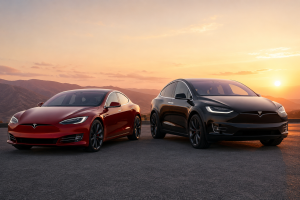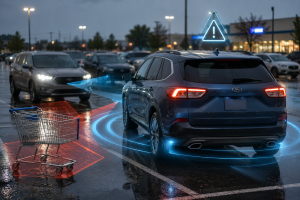
The global shift toward electric vehicles (EVs) is one of the most important changes in modern transport. Governments support it, companies invest billions, and drivers are becoming more interested in cleaner mobility. At first glance, many people expect electric cars to be lighter than traditional gasoline vehicles. After all, they do not have a large internal combustion engine, fuel tank, or complex exhaust system. However, reality shows the opposite: electric cars are often much heavier than their petrol or diesel counterparts.
This raises an important question: why are electric cars so heavy? The answer is not simple. It involves battery technology, safety requirements, engineering challenges, and even user expectations. This article explores all major reasons behind the weight of EVs, explains the consequences, and looks at possible future solutions.
The Main Reason: The Battery
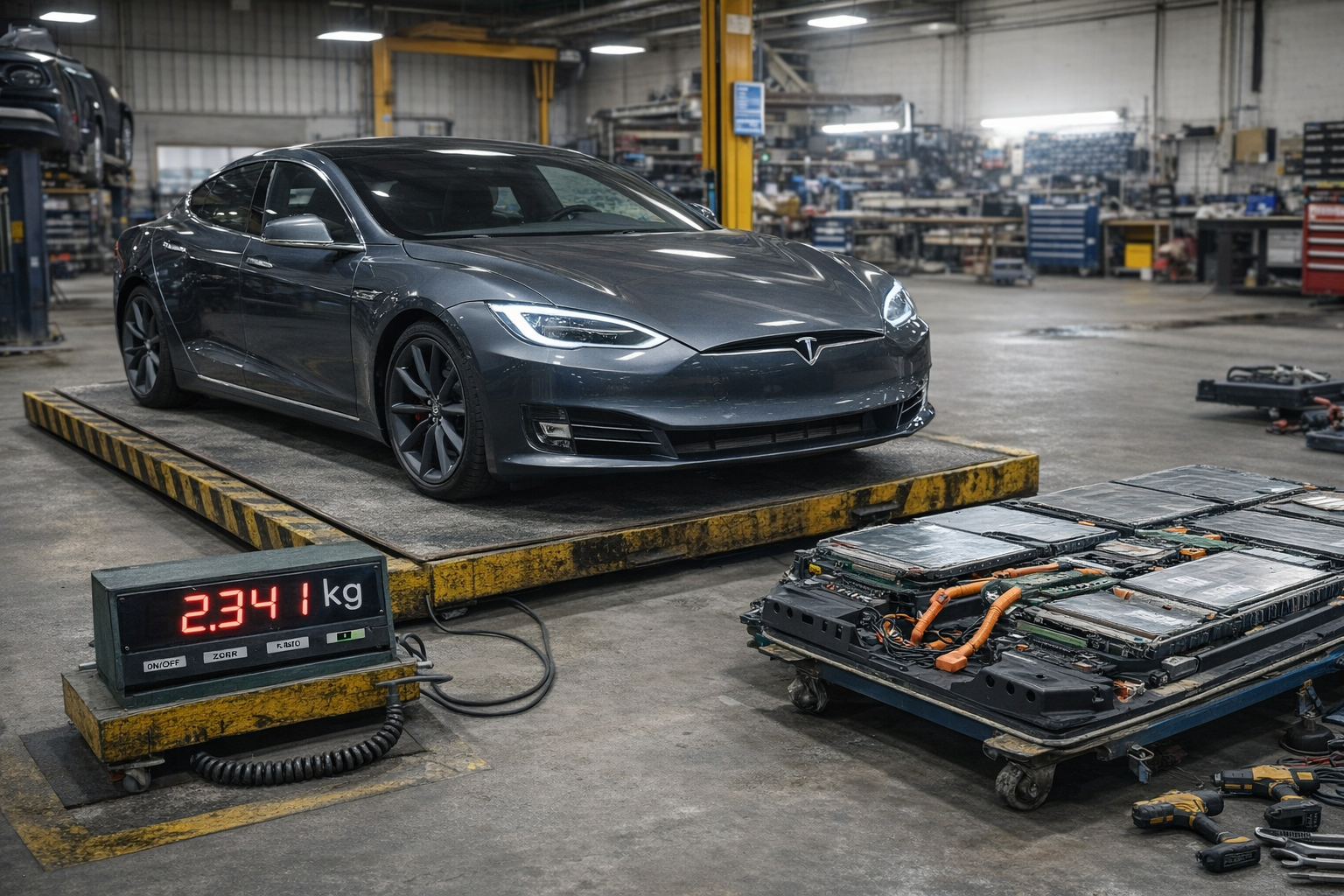
The biggest and most important factor is the battery. Electric cars rely on large lithium-ion battery packs to store energy. These batteries are heavy because of both their size and the materials used inside them.
A typical EV battery can weigh between 300 and 700 kilograms, depending on the model and range. For comparison, a full tank of gasoline weighs only about 50 kilograms. This difference alone explains a large part of the extra mass.
Why Batteries Are So Heavy
Battery cells contain dense materials such as:
- Nickel
- Cobalt
- Lithium
- Manganese
- Copper
These materials are necessary to store and transfer energy efficiently. However, they are also physically heavy. To increase driving range, manufacturers add more cells, which increases total weight.
This creates a cycle:
- Longer range → larger battery → more weight → more energy needed → even larger battery
As a result, modern electric vehicles often become heavier as manufacturers compete to offer longer driving distances.
Structural Reinforcement
The battery is not just heavy—it also needs protection. It is usually placed in the floor of the vehicle, forming a large, flat pack. To prevent damage in accidents, engineers must design strong protective structures around it.
Why Extra Protection Is Needed
Battery damage can lead to:
- Chemical leaks
- Fires (thermal runaway)
- Electrical hazards
Because of these risks, EVs include:
- Reinforced frames
- Strong battery casings
- Impact-resistant materials
All of this adds more weight. In many cases, the structure of an electric car is stronger—and heavier—than that of a traditional vehicle.
Chassis and Suspension Upgrades
A heavier car needs stronger support systems. This means the chassis and suspension must be designed to handle increased loads.
Key Changes Include:
- Stronger springs and shock absorbers
- Reinforced axles
- More durable tires
- Larger brakes
These components are not only heavier but also designed to handle higher stress during acceleration and braking.
Instant Torque and Its Effects
Electric motors deliver power instantly. Unlike gasoline engines, which build power gradually, EVs provide full torque from the start.
This creates new engineering challenges:
- Stronger drivetrains are required
- Tires must handle higher stress
- Suspension must stabilize rapid acceleration
All of these factors contribute to additional weight.
Size Expectations and Market Trends
Modern consumers expect electric vehicles to offer:
- Long range
- High performance
- Advanced technology
- Spacious interiors
To meet these expectations, manufacturers often build larger vehicles, especially SUVs and trucks.
Examples of Heavy EVs
Electric trucks and SUVs can be extremely heavy:
- Some models exceed 3,000–4,000 kg
- This is significantly more than most gasoline vehicles
Even electric sedans are often 400–500 kg heavier than similar petrol models.
Safety Implications
The weight of electric vehicles has a direct impact on safety.
Positive Effects
- Heavier cars are often more stable
- Lower center of gravity improves handling
- Strong structures provide better crash protection for occupants
Negative Effects
- Increased risk for pedestrians
- Greater impact force in collisions
- Longer braking distances
Research shows that accident severity increases with vehicle weight. This creates new challenges for urban safety.
Road Infrastructure Challenges
Heavy electric vehicles can affect infrastructure in ways that are not always obvious.
Possible Problems
- Faster road wear
- Increased stress on bridges
- Parking structures may not support high loads
Older infrastructure was not designed for large numbers of heavy EVs. This may require upgrades in the future.
Tire Wear and Maintenance
One practical issue many EV owners notice is faster tire wear.
Why Tires Wear Faster
- Higher vehicle weight
- Instant torque
- Strong acceleration
Tires experience greater friction and pressure, especially during quick starts. This leads to:
- More frequent replacements
- Higher maintenance costs
Energy Efficiency Paradox
Electric cars are often seen as efficient, but their weight creates a paradox.
The Problem
- Heavier cars need more energy to move
- Larger batteries are required
- This increases total weight even more
Manufacturers try to balance efficiency and performance, but weight remains a limiting factor.
Environmental Impact of Weight
While EVs reduce emissions during driving, their weight has environmental effects.
Key Points
- Heavier cars use more materials
- Battery production is resource-intensive
- Transporting heavier vehicles increases emissions
This does not cancel the environmental benefits, but it shows that EVs are not completely impact-free.
Engineering Solutions
Engineers are working on several ways to reduce EV weight.
Lightweight Materials
Manufacturers are using:
- Aluminum
- Carbon fiber
- Advanced composites
These materials reduce weight but increase cost.
Better Battery Design
New battery layouts improve space efficiency and reduce structural needs.
Integration
Some companies integrate the battery into the car’s structure, reducing the need for extra reinforcement.
The Future: Solid-State Batteries
One of the most promising solutions is solid-state battery technology.
Advantages
- Higher energy density
- Lower weight
- Improved safety
- Faster charging
For example, a future battery could store the same energy while weighing significantly less.
This could reduce total vehicle weight by hundreds of kilograms.
Will Electric Cars Become Lighter?
Yes but not immediately.
Short-Term Outlook
- Cars may remain heavy due to consumer demand for long range
- Large SUVs and trucks will continue to dominate
Long-Term Outlook
- New battery technologies will reduce weight
- Smaller, more efficient vehicles may become popular
- Urban mobility solutions may replace large cars
Conclusion
Electric cars are heavy mainly because of their batteries. While they remove traditional engine components, the need for large energy storage systems adds significant mass. Additional factors such as safety requirements, reinforced structures, and consumer expectations further increase weight.
This weight has real consequences:
- Increased tire wear
- Higher impact in accidents
- Challenges for infrastructure
However, it also brings benefits like improved stability and safety for passengers.
The future of electric mobility depends on solving the weight problem. Advances in battery technology, materials, and engineering design will likely make EVs lighter, more efficient, and even more practical.
For now, heavy electric vehicles are not a flaw they are a stage in the evolution of a new technology.